映画でも音楽でも何でも、誰がどう作っているのか、それが生まれた時、誰がそこにいたのかが気になってしまう。現場で互いにベストのものを探り当てていくそのプロセスに魅了される。
見え隠れするストーリーが好きなんだ。
The Beatlesの「ザ・ロング・アンド・ワインディング・ロード」。ピアノを弾いてみると、ここってこんな音を鳴らしているんだと気づく。歌い出しは情緒的なマイナートニックコードで始まるけど、3小節めにはトニックコードの7thの音が主旋律のフックになる。「しっとり」が一瞬で「乾く」感じ。
Paul McCartneyの2000年以降のライブでは、マイナートニックに戻って曲調が落ち着くタイミングで、その調和を崩すようにピアノのR&Bのフレーズが「おかず」として入ってくる。
バラードなのにきれいじゃないメロディ。耳では理解しているけど簡単には弾けない。譜面に起こすなりコピーすればいいけど、自分の中にない不調和な旋律だから弾けない。サッと弾けば美しい曲。なのにポールは普通に言えば合わない音を入れてくる。それが音楽の深さ。
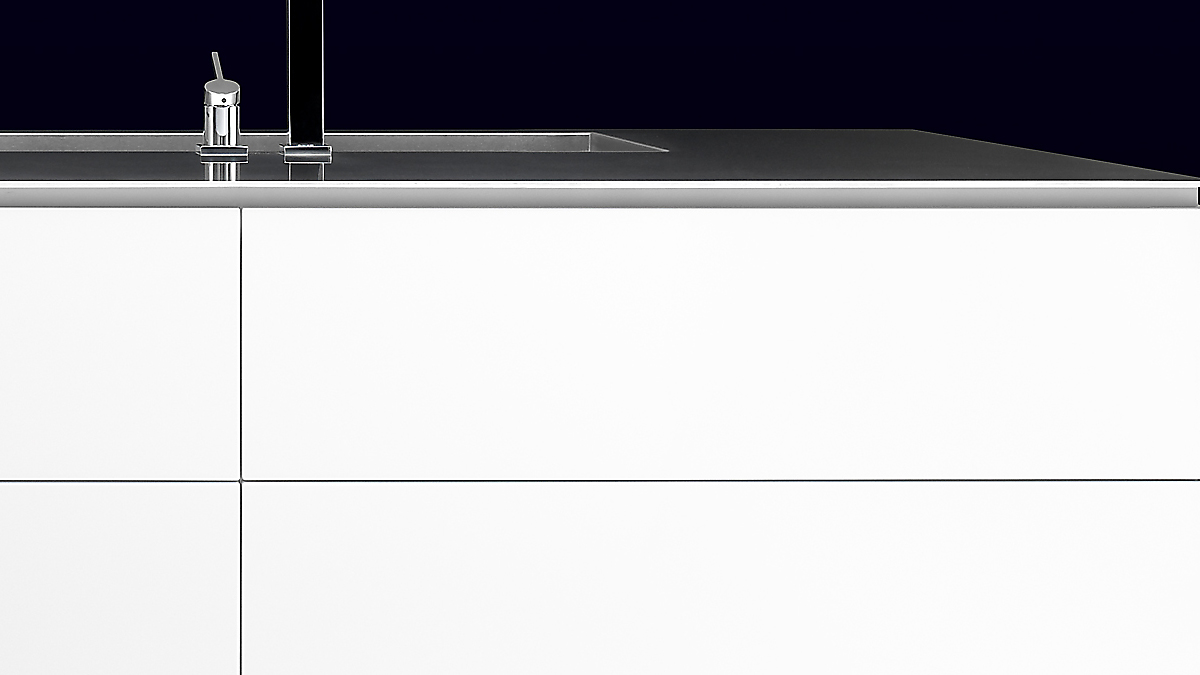
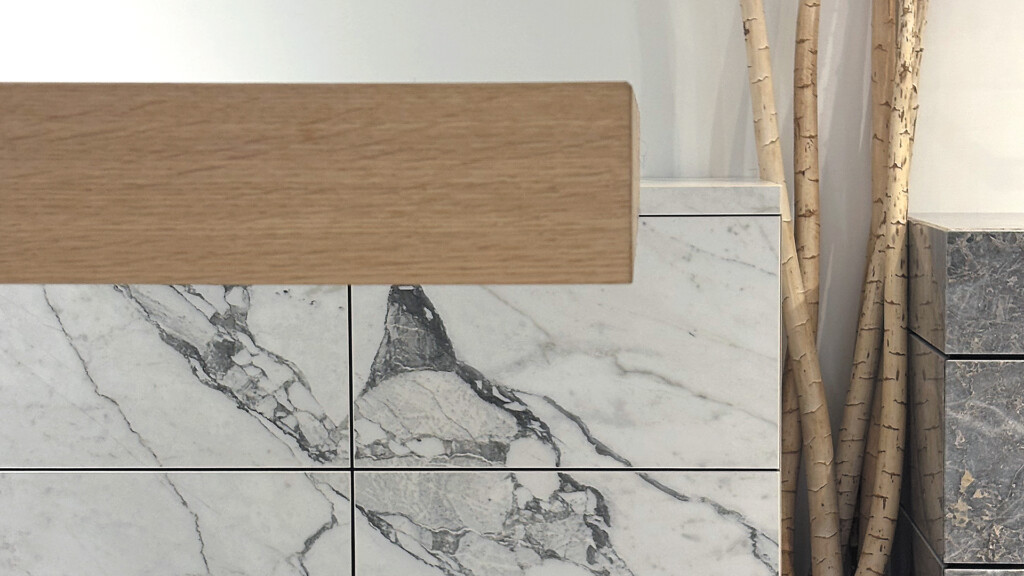
そういうのを見つけるのがクセ。ちょっと調和を崩すクセがある。そんな手法、習慣が身に付いている。キッチンもそう。設計士さんと話がずれることがある。揃えておいて、、、と言われて、実は他の見えないところでやってしまう。
ずっと一緒に仕事している人からは「お任せします」と言われても、すごく苦労してわざわざ細かい寸法を選んだり、何か「不協和音のようなもの」をいれる。そうすると、どこの真似でもない、うちの感じになるかな。
何と言えばいいんだろう。お客さんが期待する、少しその先をゆくんだ。
終わりはないね。
だって、きれいじゃないものが、きれいに見えるまでやるんだから。
Thought Ahead For You
Whether it’s film, music, or anything at all, I always find myself wondering: Who made this? Who was there when it was born? I’m drawn to the heat of the moment—the process where people on-site seek out the absolute best together.
I’ve always been drawn to the stories hidden in the margins.
Take The Beatles’ “The Long and Winding Road.” When I play it on the piano, I realize, “Ah, so this is the sound they were making.” It starts with an emotional minor tonic chord, but by the third bar, the 7th note of the tonic becomes the hook for the main melody. In an instant, the “moist” sentiment turns “dry.”
In Paul McCartney’s live performances from the 2000s onwards, just as the song settles back into the minor tonic and the mood calms down, he adds R&B piano “fills” that seem to disrupt the harmony.
It’s a ballad, yet the melody isn’t “pretty.” I understand it with my ears, but I can’t play it easily. I could write it down or copy the sheet music, but I can’t truly play it because that dissonant melody doesn’t exist within me. If you just play it smoothly, it’s a beautiful song. Yet, Paul adds notes that, normally, wouldn’t fit. That is the depth of music.
Finding these nuances is a habit now—a slight disruption of harmony that defines who I am. Kitchens are no different. Even when told to keep things aligned, I secretly tweak a detail in a place you can’t see.
People I’ve worked with for years say, “I’ll leave it to you.” In response, I struggle through choosing tiny dimensions or adding a touch of “dissonance.” When I do that, it feels like it becomes “our” style.
How should I put it? It’s about going just a step beyond what they imagine.
There is no end to it.
Because I keep going until the “un-pretty” things finally feel right.