村上春樹と河合隼雄の対談読んでるんだけど、対談って一方が長けていると、本当に面白い。河合隼雄と小川洋子の対談読んだんだけど、読み切るほどは面白くないの。
小澤征爾と村上春樹の対談はもっといいよね。 春樹さんの言葉力とか記憶物の出し方とか、それを相手に合わせる力とか、それが全然違うんだということがわかった。
対談はテーマを持ってそれなりの人が話して、読まれることを意識しているから対談になるけれど、仕事においては毎日の会話だって対談のような理解のキャッチボールが必要なんだ。
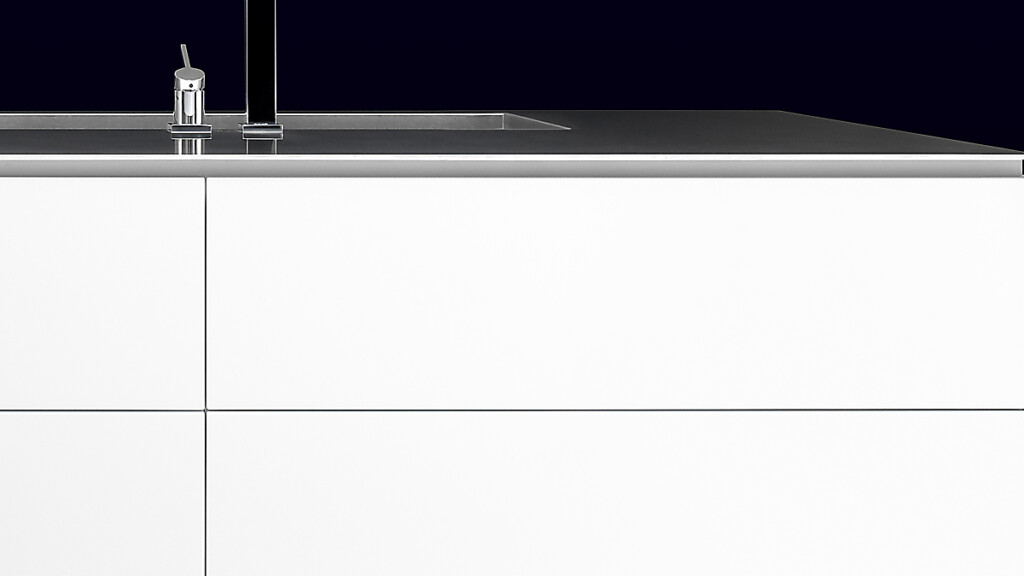
実用的な指示だって、適当な言葉で伝えてしまうと対談にならない。「収納扉」とだけ言うと、具体的に何を指して何のためのものを指示しているのか、曖昧になる。誰もそこを気にしない。
ある人が収納扉といって、実はそれは「引き込み扉」のことだった。それは何のために選んでいるのか。空間を遠くから見て、どうしてそうしているのか。自分がわかっているつもりで、相手がわかっていないことに気づいていない。それが嫌なんだ。
仕事でも誰かがそんなふうに伝えてないか、メールや電話の中にいつもそれを探してしまう。毎日のように。
できない人はずっとできないのかなぁ。相手に対する言葉の使い方が。
平易な言葉で、誰でもわかる言葉で、相手の中に何が想像されるのか。
もうやるんだと思っていた仕事に断りがくる。
それはときに言葉の問題だったりする。
仕事的な成熟度が低い。表層的。
表現力の乏しさは僕の教育が悪いのかなあ。
さっと順序だてて話す。
手紙の書き方、相手に絶対にわかる言葉。
がんばってものをつくっても、伝わらなければ、これは高価なものを頼む相手ではないと思われてしまう。
すぐれた会話はいつの間にか対談になっていくのかもしれないね。
Good Conversation is Dialogue
I’m currently reading a dialogue between Haruki Murakami and Hayao Kawai. It’s remarkable what a conversation can become when one party is truly masterful. I also picked up a book of Kawai and Yoko Ogawa, but it didn’t quite hold my interest enough to finish.
The dialogue between Seiji Ozawa and Murakami, however, is even better. It made me realize just how extraordinary the way he uses language is—the way he retrieves memories and adapts to his partner.
Formal dialogues are structured around a theme for an audience, which is what gives them their shape. Yet in our daily work, every conversation needs that same quality of exchange.
Even practical instructions fail to reach that level if the words are chosen carelessly. If you simply say “storage door,” the specifics—what it points to or what purpose it serves—remain blurred. Most people don’t even notice the ambiguity.
Someone says “storage door” when they actually mean a “receding door.” Why was that specific door chosen? How does it affect the space when viewed from a distance? Often, people assume they are being clear, unaware that the other person is lost. That is what concerns me.
Every day, I find myself scanning emails and phone calls, searching for these disconnects.
I wonder if those who struggle with this will ever improve. It is about how you use words for the listener. Using plain, accessible language—and being mindful of what those words evoke in the other person’s mind.
Sometimes, a project I thought was a certainty is suddenly declined. Often, the root cause is language. A lack of professional maturity. Superficiality. I catch myself wondering if their limited expression is a reflection of my own failure as a mentor.
Speaking in a logical order. Writing a letter with words that are unmistakably clear. No matter how much heart we put into making something, if we cannot communicate its essence, the client will decide we aren’t the kind of partner they can trust with a high-end project.
Perhaps a truly great conversation quietly becomes a dialogue on its own.